This spring and summer there’s a treat for art lovers in the form of an exhibition that’s worth the trip to Florence on its own: Palazzo Strozzi presents Mark Rothko, one of the twentieth century’s most iconic and beloved artists and the leading figure in American abstract expressionism. Only two of his masterpieces are kept in Italy: Sacrifice of Iphigenia (1946) and Untitled (Red) (1968), both at the Peggy Guggenheim Collection in Venice.
After the success of well-known contemporary artists including Jeff Koons, Marina Abramović and Ai Weiwei, and record-breaking retrospectives – including the Fra Angelico exhibition, the largest in the museum’s history with over a quarter of a million visitors – Palazzo Strozzi presents an eagerly-anticipated project running from 14 March to 26 July in the storied spaces of the Renaissance palace and elsewhere.
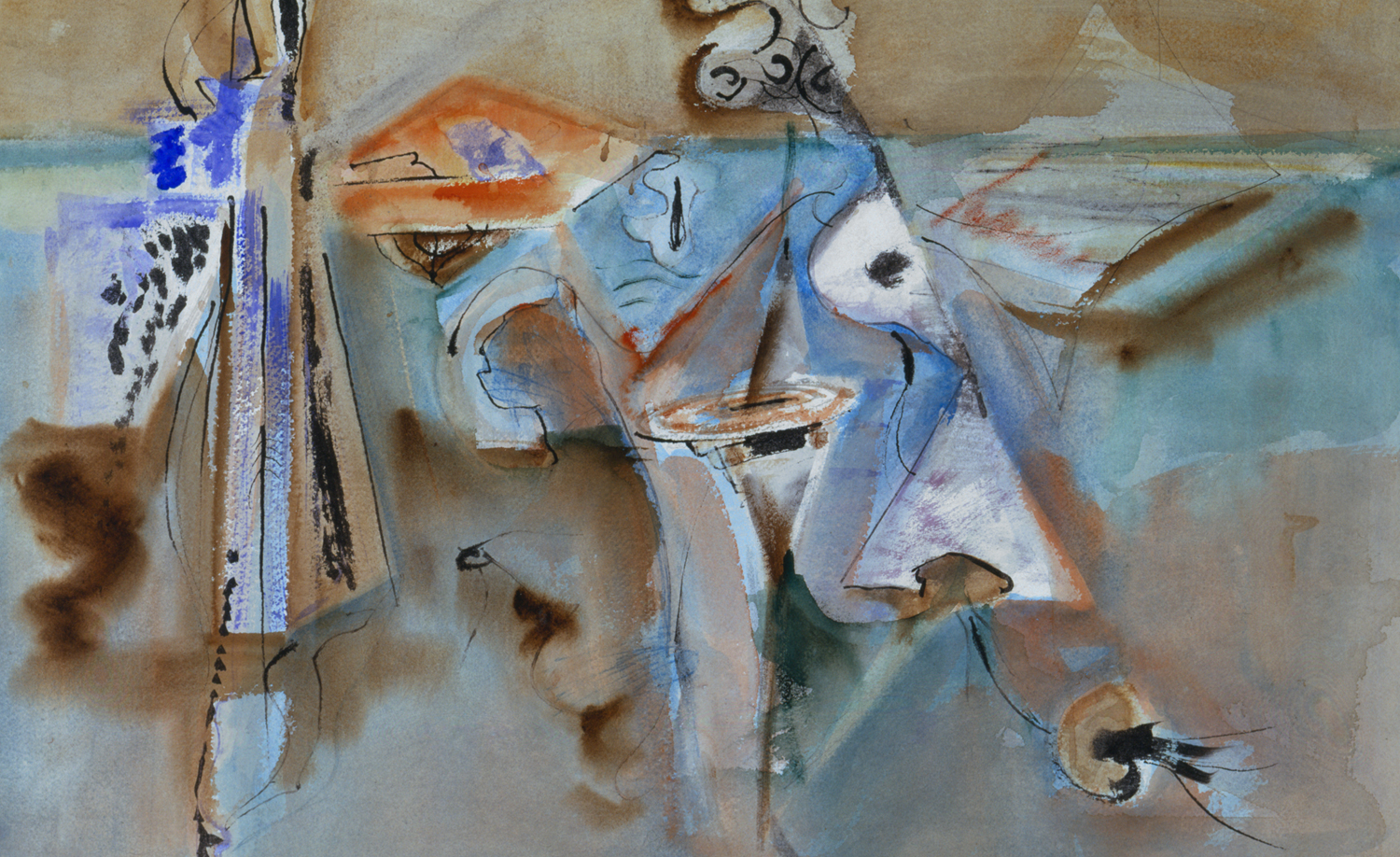
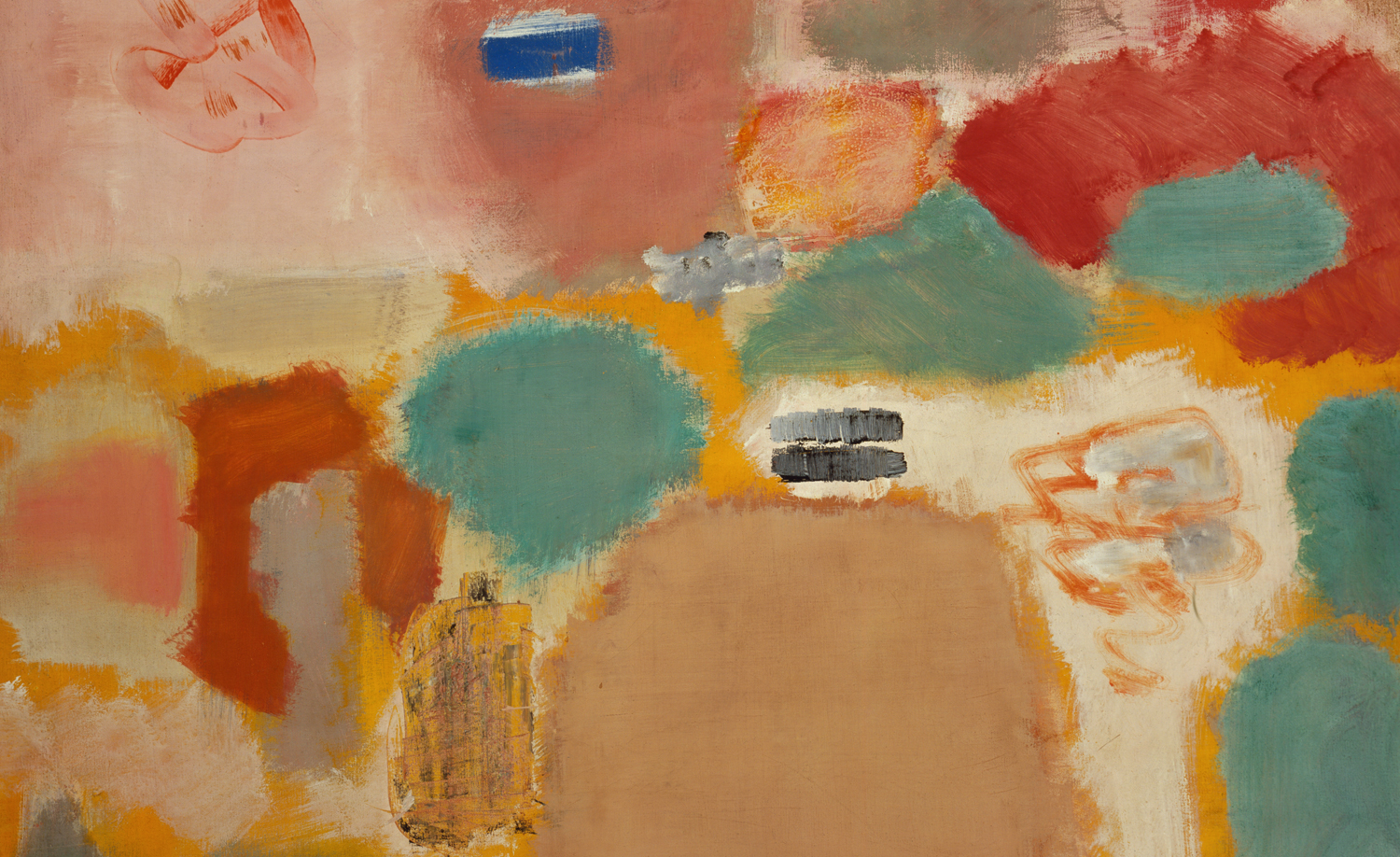
The Florence event brings together more than 70 works, many never previously seen in Italy, from international collections and institutions including the MoMA and the Metropolitan Museum in New York, the Tate in London, the Centre Pompidou in Paris and the National Gallery of Art in Washington. The chronological show traces the artist’s entire career, from his early figurative works to the celebrated huge colour fields that brought him immortality.
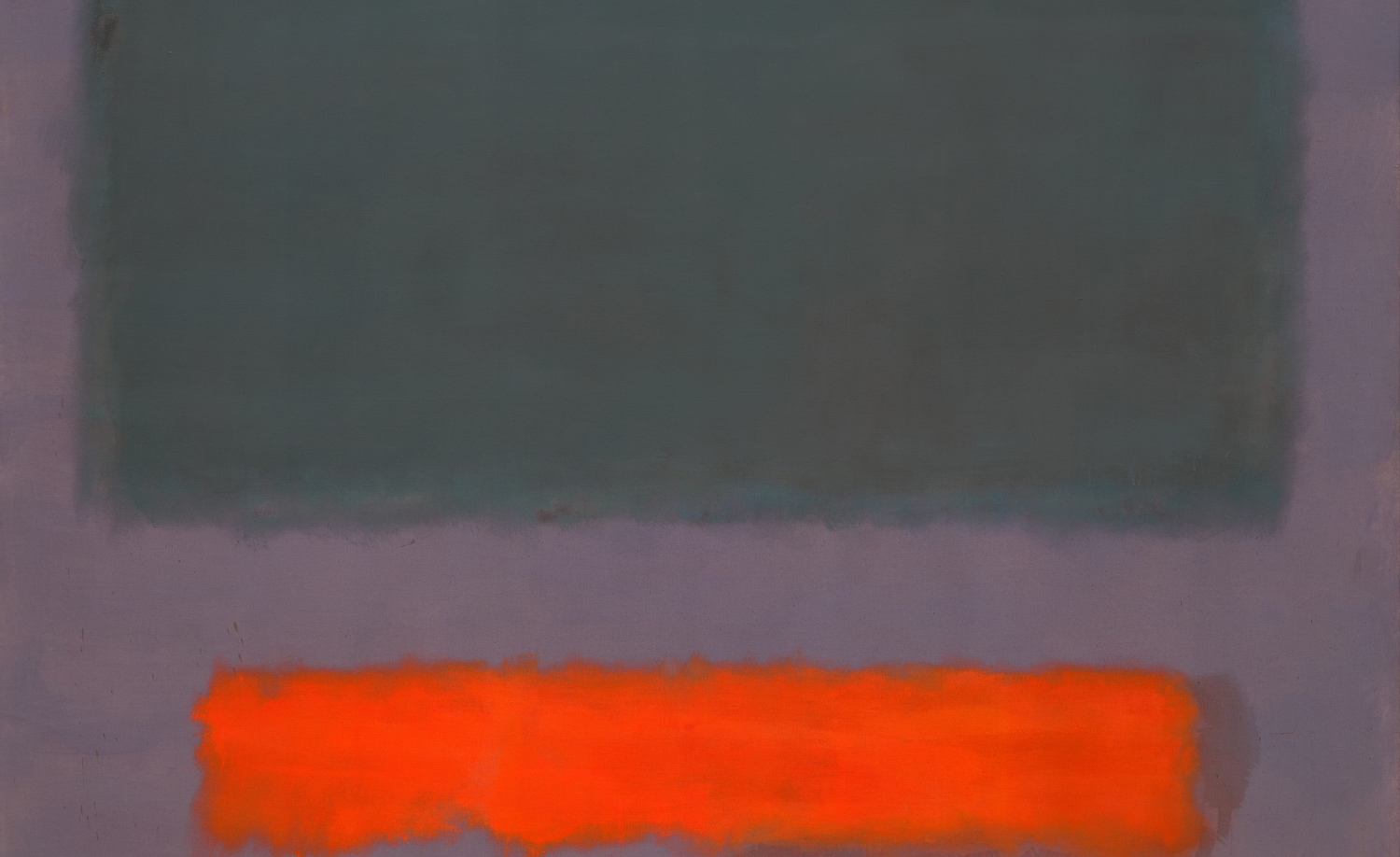
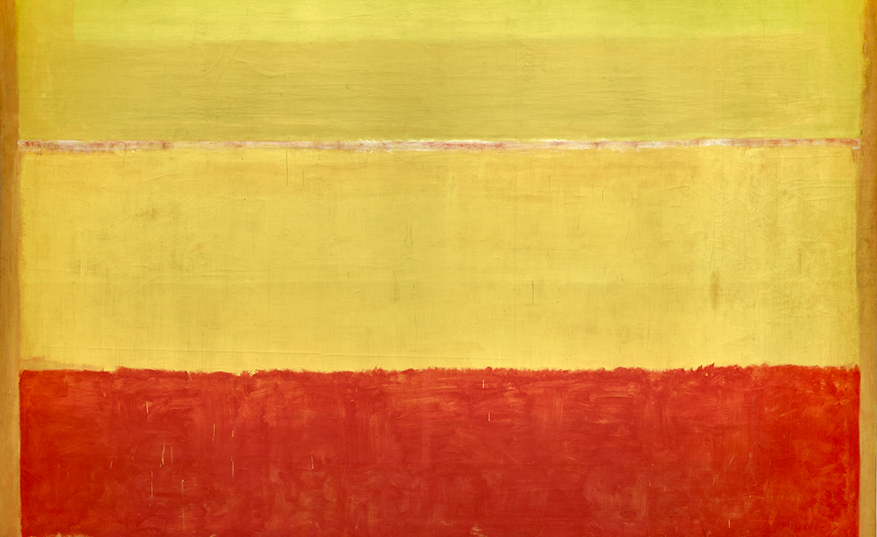
At first sight, Rothko’s paintings appear minimalist: enormous vertical canvases with floating rectangles and intense colours. But in the flesh, there’s something else going on. The colours vibrate, move closer and further away, seem to emanate inner light. Applied in the finest of layers, almost transparent, they turn the painted surface into a living, pulsating presence that engages the viewer in an intimate, meditative experience.
The exhibition highlights Rothko’s fascination with Florence, already evident in his early works from the 1930s, which show a clear interest in Renaissance composition, and in paintings made following his trip to Italy in 1950, which sparked his admiration for Fra Angelico and Michelangelo’s architecture. This connection is tangible in the satellite show at the Museo di San Marco, where Rothko’s art establishes a direct dialogue with the work of Fra Angelico, and in the Vestibule of the Biblioteca Medicea Laurenziana, designed by Michelangelo.
An unmissable art event, but also another good reason to fall under Florence’s spell, once again.